• Land Nav

    If there’s one particular skill I can thank my time in the military for, it’s land navigation. The GPS system has made getting around easier than it ever has been before and cellphones that can run navigation apps seem to be in everyone’s pockets. However, while GPS is a great tool, the knowledge of how to use a map and compass is in my opinion, the most important part of backcountry navigation.

    At the least, I think anyone who goes out into the wild should know how to:

    Read a Map
    Use a Compass
    Understand Declination
    Orient a Map
    Recognize Terrain Features (Hills, Ridges, Saddles, Draws, Spurs, etc.)
    Navigate by Terrain Association
    Take a bearing/Plot a bearing
    Walk a bearing using pace count
    Know how to do resection and intersection

    Maybe someone will disagree with me, but I would say that intersection (finding YOUR location by using known points on the map) is probably more useful to the recreational outdoors-person than resection (determining the location of an object/feature by going to known locations and taking bearings on it), which is more of a military skill used to identity target locations.

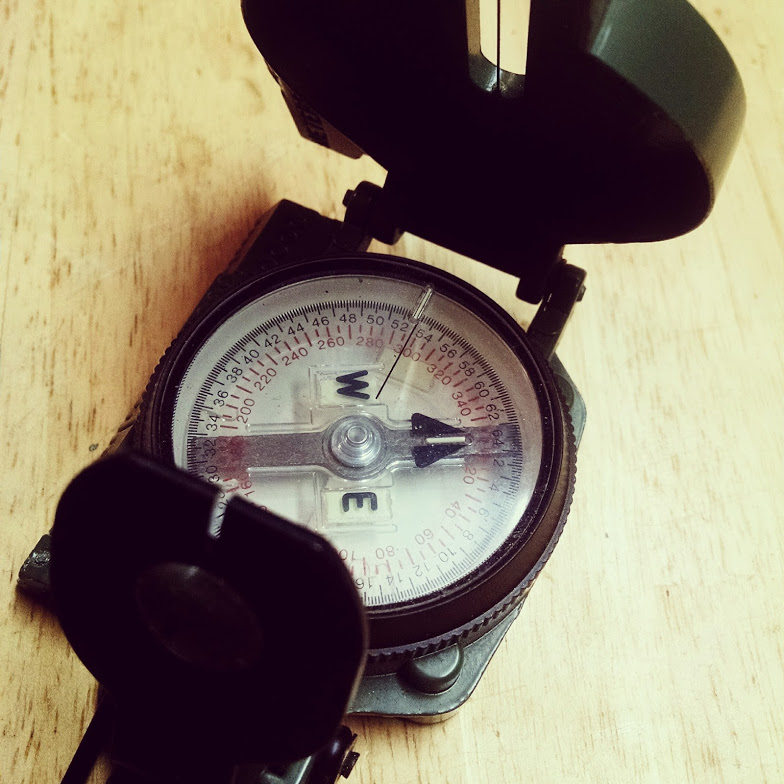
    Uncle Sam taught me to do all of this with a Lensatic Compass and a Protractor (a plastic sheet you use with a pencil to plot locations). The Lensatic Compass is the larger, “folding type” compass and is the featured image on this post. It is certainly more precise (having more degree markings) and is easier to use when shooting bearings to exact features that are far away. It also offers readings is mils.

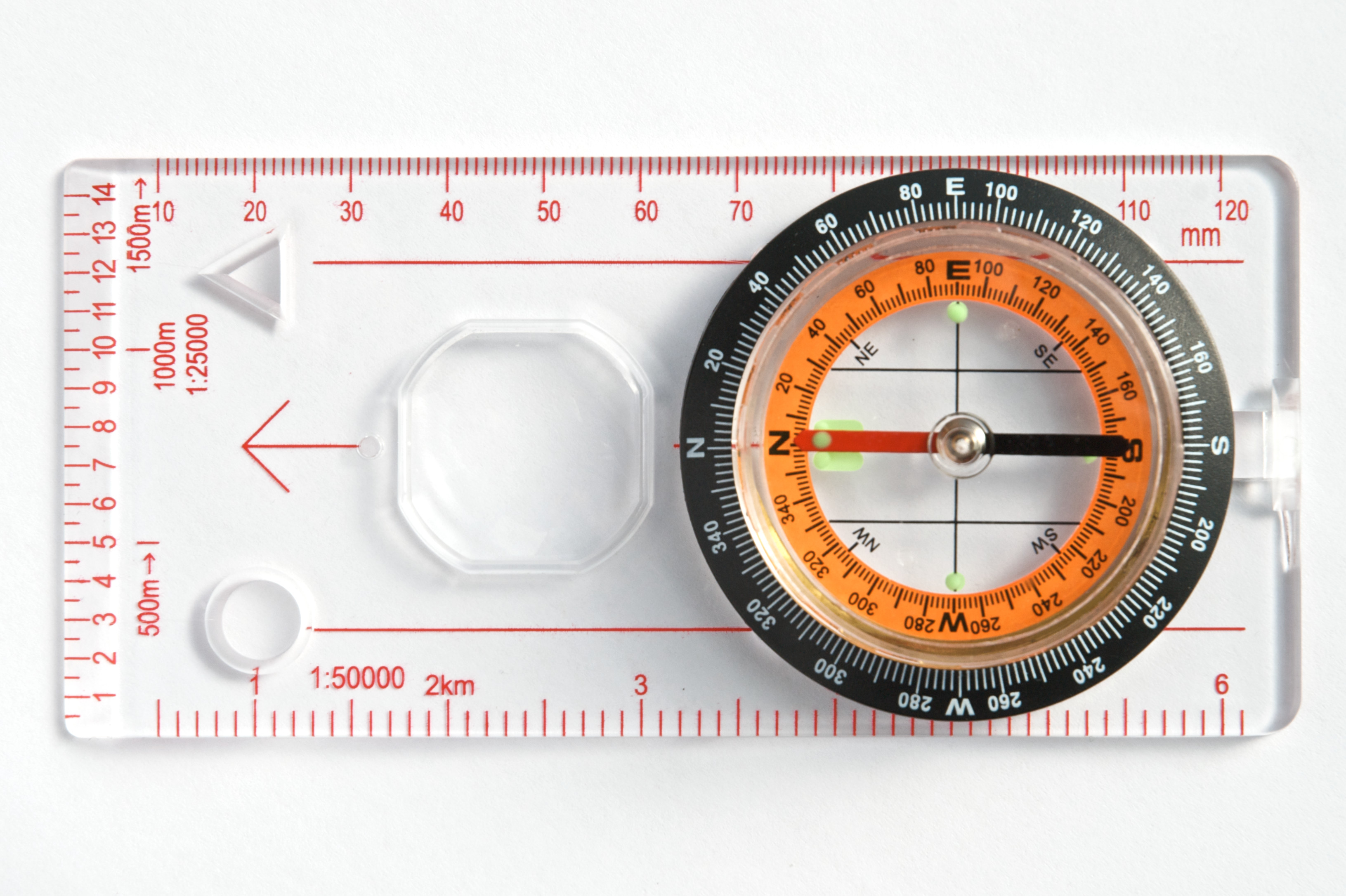
    However, I find the plastic baseplate style compasses are so much faster and simpler to use for general outdoor/hiking/backpacking.
    compass2

    To put it simply, you just line up where you are and where you want to go on the map along the edge of the baseplate, turn the compass dial to align with the N/S lines on the map and the follow the bearing.

    Conversely you can take a bearing…on say a hill top…then put the edge of the plate on that hilltop (on the map) and pivot the entire compass on that point till the N/S lines on the compass align with the map lines. You are somewhere along the edge of the plate.

    With my intention of becoming a 46er, I’ve been brushing up on my skills and inventorying my gear.
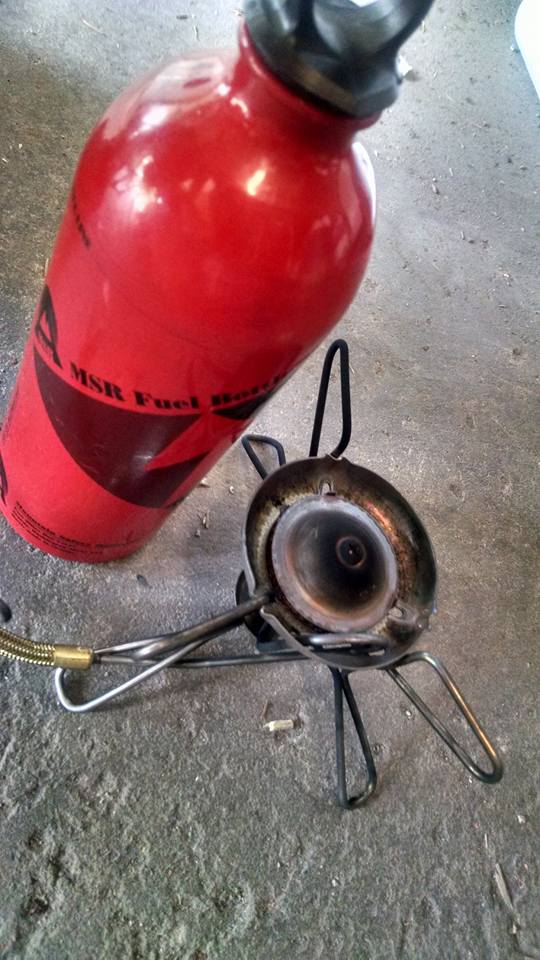
  • MSR Whisperlite Stove

    The MSR Whisperlite Stove was introduced in 1984 and it’s still the best liquid fuel stove you can buy for group camping, backpacking, and winter mountaineering. I purchased mine back in the early 90’s and it’s still the only liquid fuel camp stove I own (plus a wood burning collapseable backup).

    The Whisperlite I own is a White Gas (Coleman Fuel) only version. The newer models offer multiple fuel options like kerosene, unleaded gasoline, white gas and even diesel. The advantage with the multiple fuel option is for the globetrotters who may not have access to Coleman fuel. I have “hemmed and hawed” about upgrading, but since this one sill works fine and I’m not planning on leaving the US anytime soon I’ve stuck with “ole reliable”.

    There is a little “knowledge” you have to have to run one of these things. After you assemble the stove/pump/tank and pressurize the system you open the fuel valve and fill a little priming cup at the base of the stove, then you CLOSE THE FUEL VALVE and light the priming cup. When most of that fuel is burned off you slowly open the fuel valve and the burner should ignite. If the burner goes out you have to let the stove cool for 5-10 minutes before repriming. If you fail to follow directions you can get a puddle of flaming liquid fuel spreading all around you or a vaporized fuel fireball. Neither of those are pleasant. I always take my stove to a safe spot (like the empty driveway) and light it before I take it anywhere. That way I can be sure everything works and I practice safe ignition procedures.

    While it’s not the lightest of systems, the refillable fuel bottle is reusable/refillable. Many of the newer lightweight stoves use disposable fuel cans.

  • Pack Loadout Plan

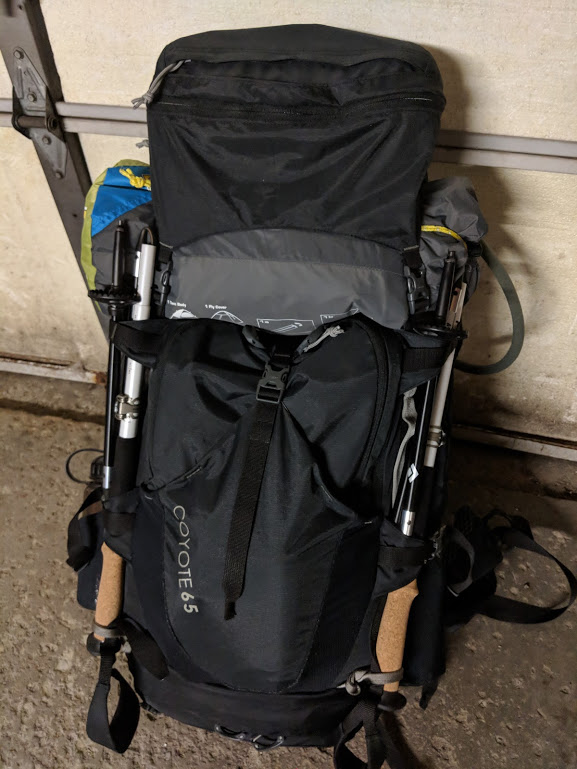
    My current packing plan for my Kelty Coyote 65L Pack:

    Bottom Pocket:
    Sleeping Bag
    Ground Pad
    Pillow
    Thermals (top/bottom) in WP Bag
    Small backpack
    Camp Shoes

    Center:
    Water Bladder
    Bear Can
    Mess Kit
    Mess Cup
    Fuel
    Stove

    Top Pocket:
    Rain Gear
    Emergency Bivvy
    Rain Cover
    Whistle
    Bug Net

    Outside Front Pocket:
    Flex Patches
    Spork and Knife
    Trowel
    Bug Juice
    Headlamp
    Extra Zip Loc Bags
    Meds/Matches/Firestarting/First Aid Kit

    FAR Outside Front Pocket:
    Water Filter

    Outside Right Side:
    Tent Poles

    Outside Right Side Pocket:
    Tent Stakes

    Outside Left Side:

    Outside Left Side Pocket:
    550 Cord
    Cold Weather Hat

    Ice Axe Loops:
    Trekking Poles

    Left Side Waist:
    Map & Compass

    I’m keeping my pack regularly loaded with the above items, with the intention of adjusting the load as time and experience progresses. When I’m actually ready to head out I will finish off the loadout. I anticipate having to find room for:

    2 Additional pair of dry socks
    2 Pair of underwear
    1 dry wicking t-shirt
    1 dry pr of shorts/pants
    Insulating Jacket
    First Aid Supplies
    Weight of Food in Bear Can


  • Kelty Coyote 65

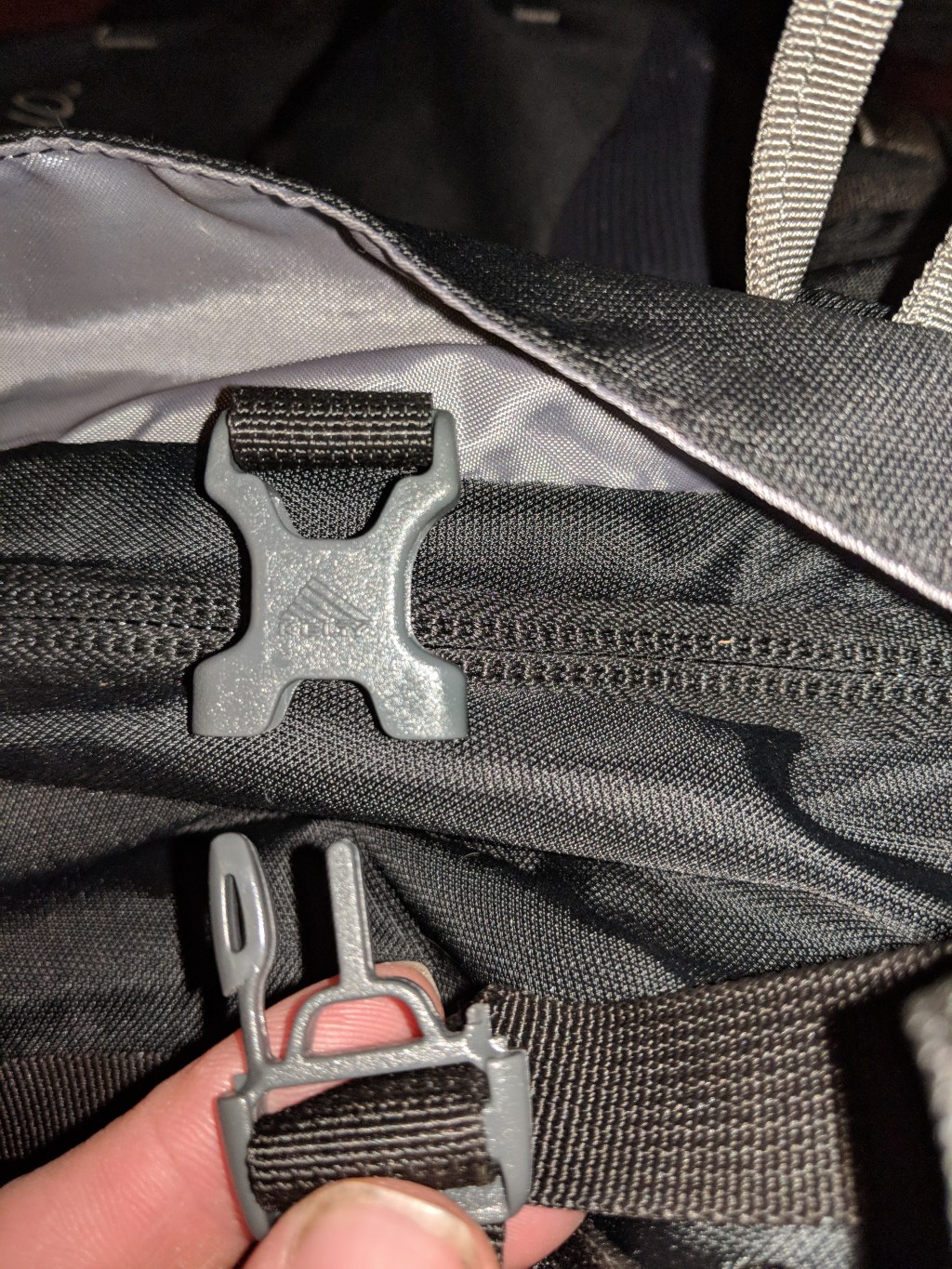
    I just purchased a Kelty Coyote 65 and one of the strap buckles was broken. Their warranty department shipped a replacement out to me the next day. Excellent customer service.

  • Gear

    As I go along, I anticipate blogging about my new gear purchases, my packing lists and my pieces of “old friend” gear I still have.

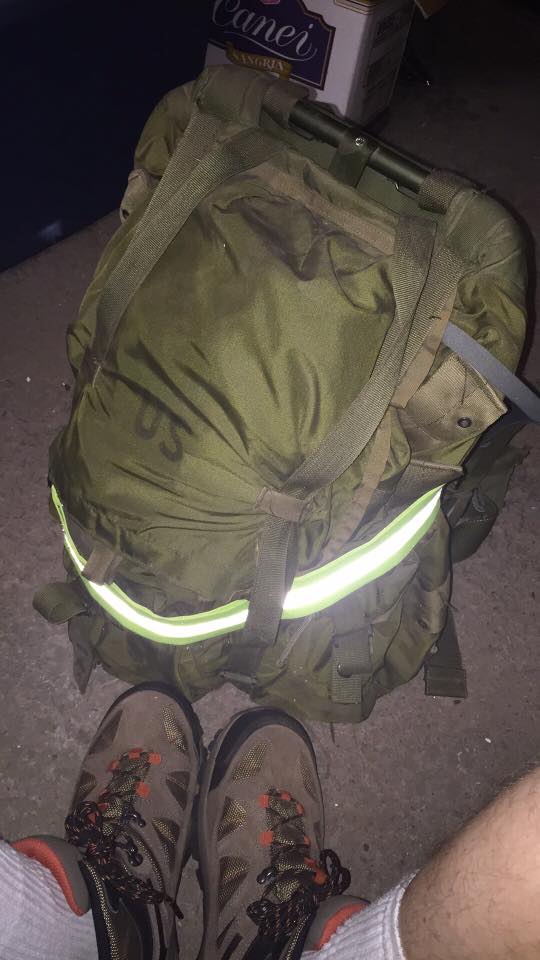
    Believe it or not, I’ve always humped my old Army ALICE Large as my one and only backpack. Only recently (as in last week) did I cave in and buy a new internal frame pack.

  • Mt Marcy

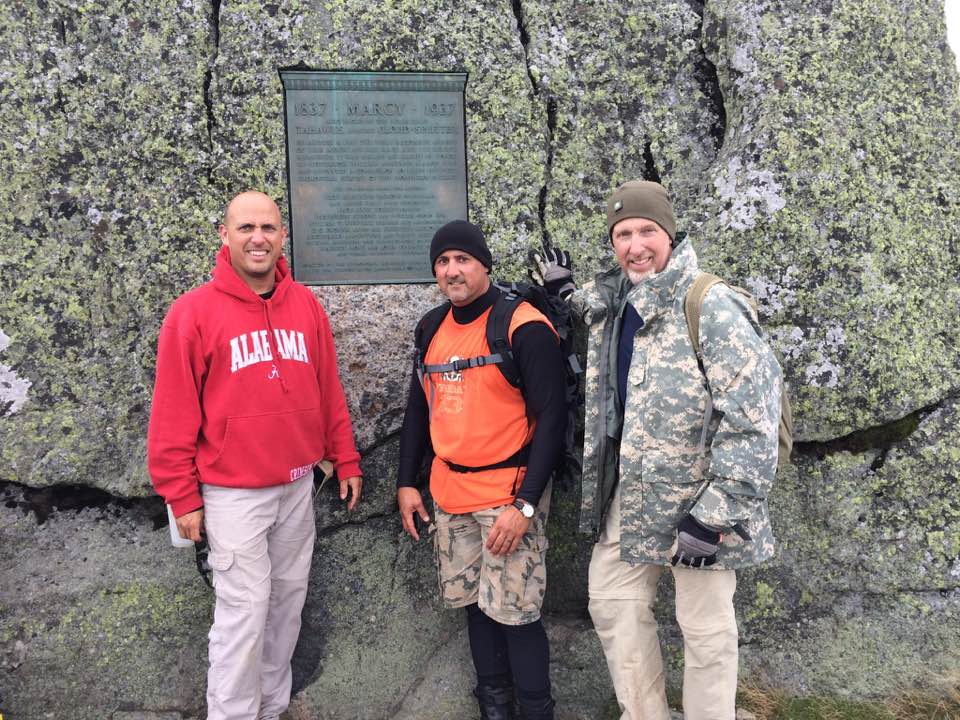
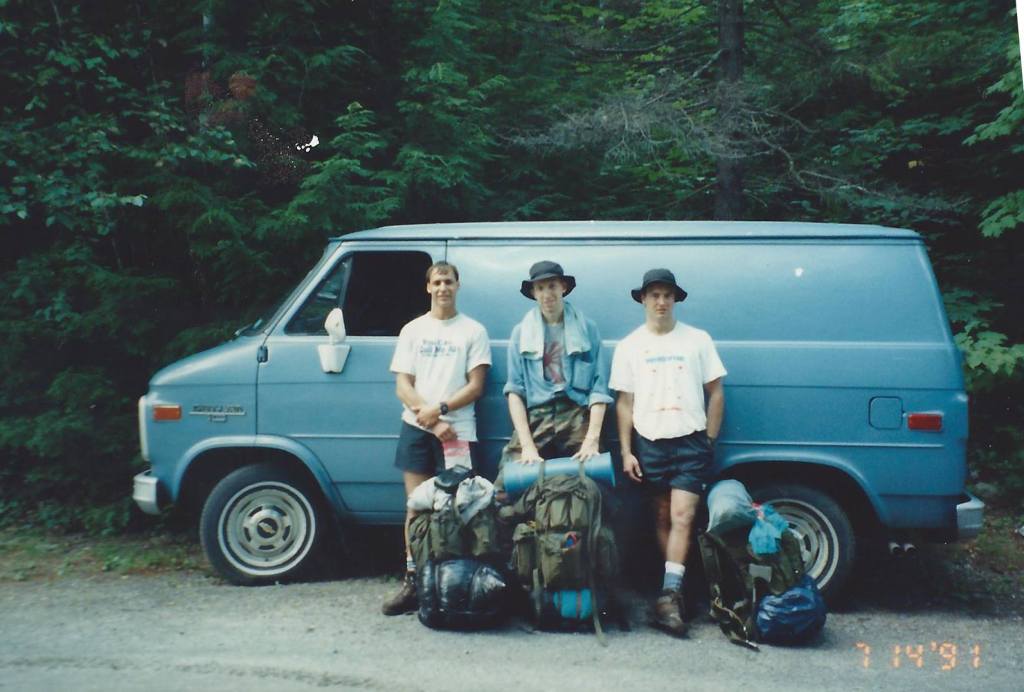
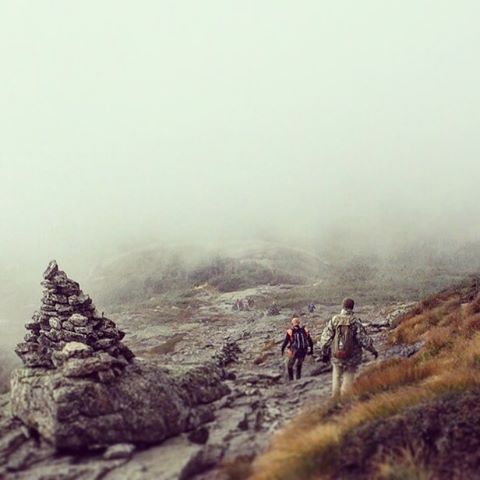
    Mt. Marcy is the highest peak in the Adirondacks (and the State of New York) at 5,344 feet in elevation. I went up there the first time in 1991 and once again in on September 18, 2016. It can be an entirely different season on the top vs the bottom.

  • Upcoming Events

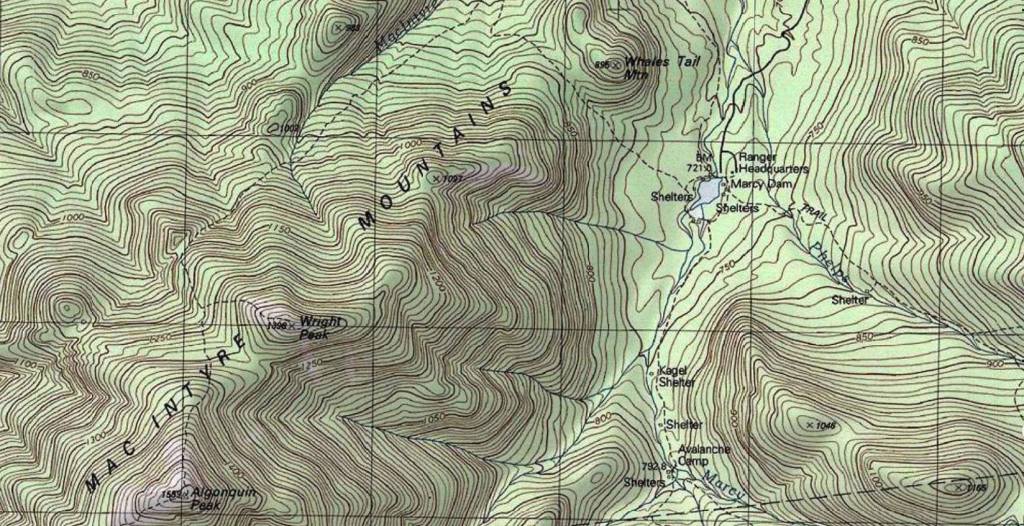
    Towards the end of August I intend to camp around Marcy Dam and visit Wright Peak and Phelps Mountain. Ideally a hiker could hit Wright, Algonquin and Iroquois all in one trip, but I will be going with my nephew and my buddy and his young son, so I didn’t want to plan too “big of a bite”. Depending on timing and how well the others do we may try to grab one of those other peaks too.

  • History

    I’ve been camping, hiking and climbing in the Adirondacks since I was a skinny kid in the early 90’s. While I’ve tramped all around the High Peaks area, I’ve actually only summited Mt. Marcy (twice). Most of my adventures involved rock climbing and the camping and hiking associated with getting to and from the rock faces.

    After revisiting Marcy in 2016 I decided to set a goal of becoming a 46er and plan to begin visiting the Dacks with the intention of bagging peaks. If all goes as hoped I will be starting this August.

  • Intro

    I’m a 50 year old guy who has added becoming an Adirondack 46er to his “Bucket List”. If you don’t already know what a 46er is, it’s a person who summits all 46 High Peaks in the Adirondack Mountain Range. The High Peaks are all the Mountains 4,000 feet in elevation or higher. This blog is intended to serve as my log, my inspiration and my motivation to reach this goal before I croak.