The Things Worth Believing In
Tested by Reality. Guided by Ethics.
recent posts
Category: The Code
Tactical Ethics and the Pursuit of Virtue.
Defining the moral compass of the modern practitioner. Here, we deconstruct the “warrior” archetype, moving beyond commercialized aesthetics to explore internal accountability, personal honor, and the rejection of transactional ethics. This is the “Way of the Pen”—a dedicated study of the principles that govern a man’s character when the world is indifferent or hostile.
-

Note from the Author: Years ago, I came across a word that redefined how I view training and duty. Today, returning from the Latin Mass and preparing for another week of the 14-week Murph cycle, that word—Podvig—is the only one that fits. In David L. Robbins’ Last Citadel, he describes a night attack by the…
-
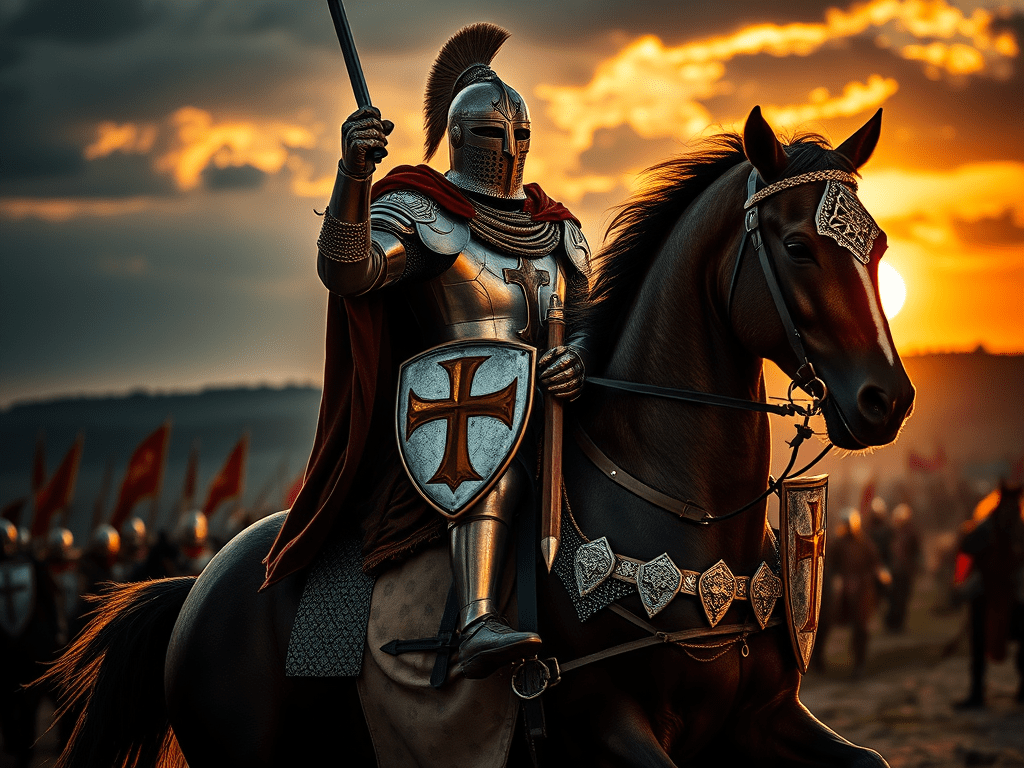
The term “chivalry” is well-known, but its historical meaning is a moving target. It has been a company of mounted knights, a social class, a legal term for land ownership, and—in texts like The Song of Roland—a shorthand for worthy action on the battlefield. The Power of the Horse The Age of Chivalry was, fundamentally,…
-

Editorial Note: As we rebuild the “Way of the Pen and Sword,” we must address not just how we train, but how we think. This post deconstructs a modern sickness: the idea that virtue is only worth practicing if it’s “profitable.” The modern discourse surrounding masculinity, particularly within “manosphere” circles, has increasingly framed chivalry as…
-
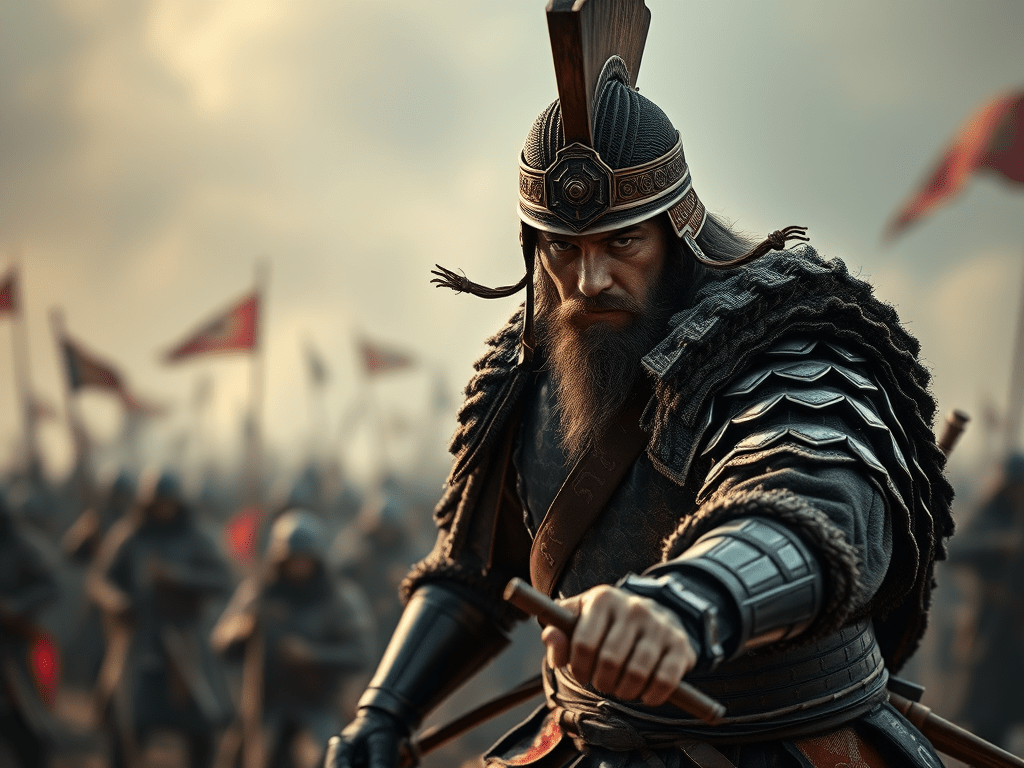
In 2013, I started a blog to explore a word that had become dangerously diluted by “warrior-style” fitness programs and tactical hobbyists. Today, in 2026, the noise has only grown louder. Everyone wants the “lifestyle,” but few want the Way. To build a code worth following, we must first define our terms. The Musashi Standard:…
