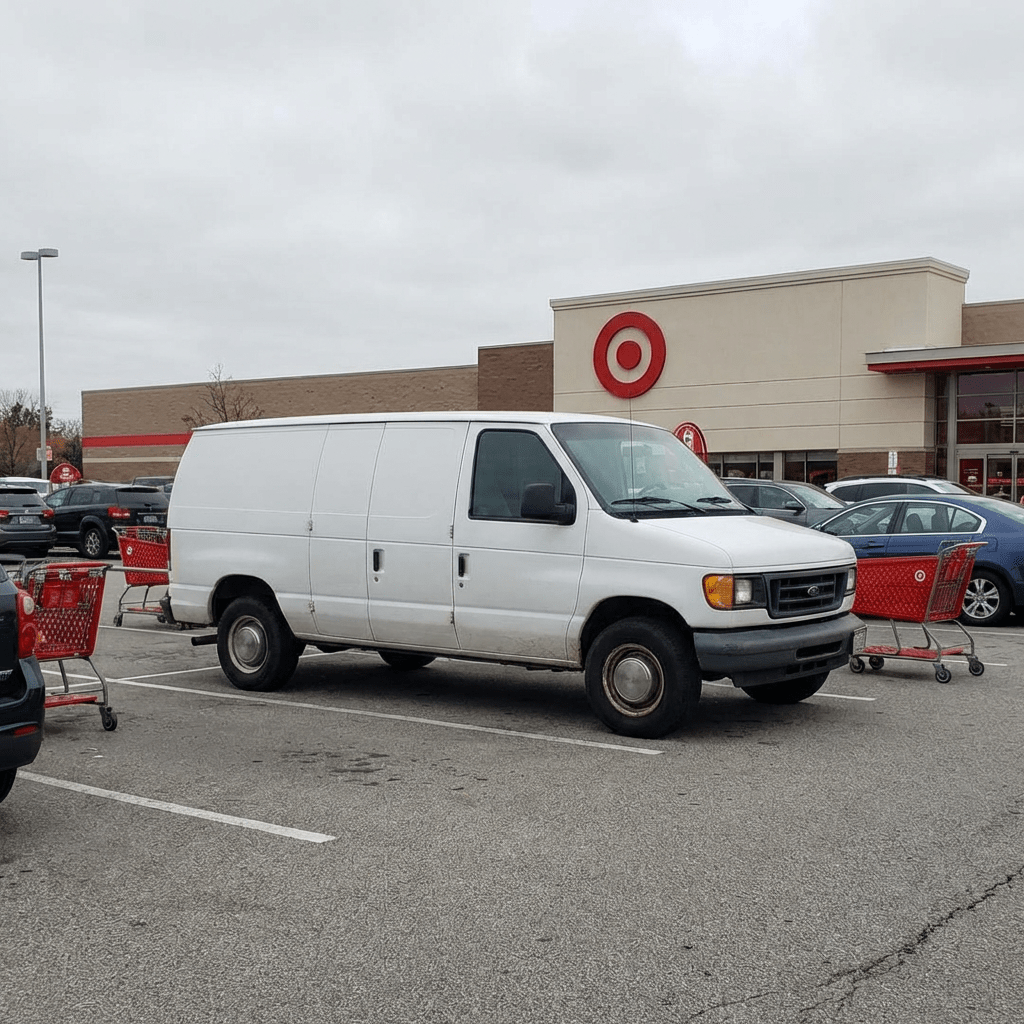
If you spend any time on social media or in certain “self-defense” circles, you’ve seen the alerts. Viral posts about “suspicious white vans” in Target parking lots, or warnings that middle-class girls are being snatched on their way to Starbucks to be shipped overseas in containers. It’s a scene straight out of the movie Taken.
But having worked these cases—some of them alongside Federal agents from HSI—I can tell you that the cinematic version of trafficking is a distraction. It’s fear-mongering founded on an inaccurate portrayal of how this social epidemic actually functions.
The “Taken” Fallacy
In his book Protecting the Gift, Gavin De Becker notes that compared to a stranger kidnapping, a child is vastly more likely to have a heart attack—and child heart attacks are so rare most parents never even consider the risk.
The “average woman” in a suburban parking lot is almost never the target of a sex slavery syndicate. Abduction is real, but it doesn’t look like Liam Neeson’s nightmares. When the media flashes statistics about “300,000 children at risk,” they often fail to mention that a massive percentage of that number involves non-custodial parent abductions—a tragedy, certainly, but a world away from the international sex trade.
The Vulnerable, Not the “Likable”
Real trafficking is uglier, more complicated, and far more heartbreaking than the movies. The victims don’t usually come from the “movie set” of suburbia. They come from an entirely different set of life circumstances: foster care, runaways, broken homes, and long histories of neglect or substance abuse.
I’ve been in physical struggles with teenage girls picked up during prostitution stings—yelling, swearing, and fighting—when all we wanted was for them to talk to an agent. These aren’t always “sympathetic” or “likable” victims when you first encounter them. They are often dealing with behavioral issues and mental health struggles that make them incredibly difficult to help.
The Illusion of Choice
One of the hardest parts of these cases is that many victims will insist they are there “by choice.”
By the time law enforcement encounters them, they have often been groomed and exploited for years. They’ve been conditioned so thoroughly that they truly believe they chose this path, without understanding what was actually done to them. It isn’t a simple “good guy vs. bad guy” story. It’s a slow-motion wreck where the victim has been taught to love the wreck.
This is why these cases are a nightmare to prosecute. It takes long-term counseling with trained professionals just for a young woman to recognize she was victimized, let alone find the strength to testify against her trafficker.
The Practitioner’s Responsibility
We should be alert, prepared, and trained for any circumstance—absolutely. But we shouldn’t sell training or “safety” based on fear-mongering myths.
Real trafficking isn’t cinematic. There are no SWAT raids at the end of the episode where everyone runs into each other’s arms. It’s a grind. It’s slow. And social media myths about white vans don’t help the people actually trapped in the cycle.
If you want to protect your community, focus on the vulnerable, not the spectacle.

Leave a comment