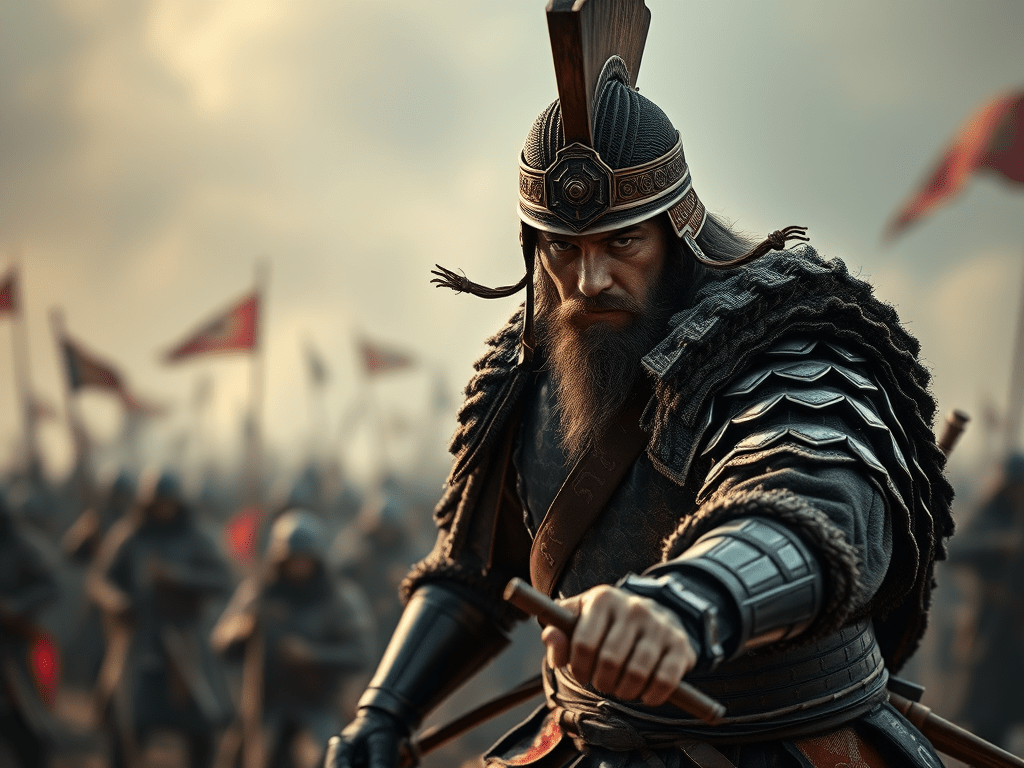
In 2013, I started a blog to explore a word that had become dangerously diluted by “warrior-style” fitness programs and tactical hobbyists. Today, in 2026, the noise has only grown louder. Everyone wants the “lifestyle,” but few want the Way.
To build a code worth following, we must first define our terms.
The Musashi Standard: Overcoming Men
When we look at historical “Warriors”—from the Samurai to the Vikings—virtue was often an afterthought, but Strategy was the requirement. As Miyamoto Musashi wrote in The Book of Five Rings:
“The warrior is different in that studying the Way of strategy is based on overcoming men… we can attain power and fame for ourselves or our lord. This is the virtue of strategy.”
A vital component of the definition is that the warrior exists and trains to overcome other people who are trying to impose their will against him or his community. If your “struggle” is purely internal—a battle for “self-excellence”—you may be a philosopher or a student of character, but you are not a warrior.
Skills vs. Service: The Price Tag
There is a common misconception that practicing a martial art or attending a rifle school makes you a warrior. It doesn’t. Those are warrior skills.
- The Fantasy: Training exactly like a Tier 1 Operator in your backyard.
- The Reality: Actually putting it on the line.
Karate no more makes you a warrior than playing catch makes you an NFL quarterback. To be a “Warrior,” you have to go out and “put it on the line” in service to others. Anything less is merely the “Warrior Lifestyle”—a costume worn by those who enjoy the aesthetic of danger without the burden of risk.
Virtue: The “Add-On” to the Way
There is a popular modern sentiment that a “true warrior” must be a man of excellence and virtue. While I value the Warrior Ethic, we must be historically honest: Warriorship has never had a universal mandate for virtue.
The Vikings sacked cities; the Mongols decimated populations; the SS were elite, highly-skilled warriors who served a reprehensible cause. They were “warriors” by any technical definition, yet they were not “virtuous” by ours.
Virtue and self-improvement are desirable—and essential for a modern protector—but they are an “add-on.” History proves that you can be a master of the Way of the Sword while being a monster. This is why our modern code must be intentional.
The 2026 Definition
So, what separates the Warrior from the Soldier? In our times, it is a matter of professionalism, commitment to craft, and the honoring of a personal code. It is the difference between someone who “does something” and someone who “is something.”
My definition remains:
- Preparation: Trains relentlessly to overcome other people.
- Mastery: Constantly seeks to perfect those tactical skills.
- Application: Uses those skills in actual service to others/community.
- Identity: Sees the honing of “craft” and “service” as a Way of Life, not just a paycheck or a term of enlistment.
Closing Thought
We don’t need more people living a “warrior lifestyle.” We need more people dedicated to the professionalism of the craft. Whether you are a patrol officer or a citizen-protector, the question isn’t how much gear you own—it’s what you are willing to risk for your “clan.”

Leave a comment